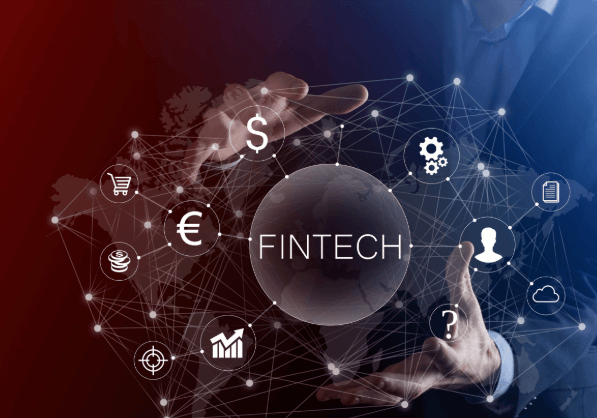
FinTech startups are reshaping how finance is delivered, priced, and governed. Data signals show faster, modular delivery and transparent governance becoming essential as ecosystems demand auditable, scalable architectures. Core tech—data platforms, automated decisioning, blockchain interoperability, and AI risk management—enable rapid experimentation with guardrails for resilience. Incumbents digitize and partner, while regulators push risk and governance standards. The trajectory points to a future where money, payments, and trust hinge on open, interoperable ecosystems—a path that invites closer scrutiny and strategic response.
What FinTech Disruption Really Means for Finance
What FinTech disruption really means for finance can be understood as a structural shift in how financial services are delivered, priced, and governed. Data signals show faster, modular delivery, with transparency pressures and new governance models. Anticipatory risk exists around blockchain risk and complex customer onboarding, where automation collides with regulatory clarity. Freedom-seeking ecosystems demand auditable, scalable, and resilient financial architectures.
Core Technologies Driving FinTech Innovation
Core technologies powering FinTech innovation unify scalable data architectures, automated decisioning, and secure, open collaboration across ecosystems. These systems enable rapid experimentation, composable services, and risk-aware scaling.
Blockchain interoperability ensures cross-network trust, while AI risk management governs model behaviors and governance. Critics caution over reliance on centralized data, demanding transparency, auditability, and resilient architectures that sustain autonomy, privacy, and user empowerment.
How Incumbents Respond to FinTech Threats
Incumbents respond to FinTech threats by accelerating digitization, reorienting product roadmaps, and strengthening ecosystem partnerships to preserve market share.
Data indicates rapid investment in core platforms, API enablement, and customer analytics, yet regulatory pressure shapes risk appetites.
Fintech regulation prompts cautious experimentation and governance.
Incumbent partnerships emerge as strategic leverage, aligning legacy trust with agile startups to sustain competitive advantage and stakeholder confidence.
The Future of Money, Payments, and Trust in a FinTech World
Data suggests increasing reliance on future wallets, robust trust signals, and interoperable payments rails, while regulatory sandboxes test resilience.
Critics warn against fragility without clear standards, freedom demands transparent, scalable safeguards.
See also: FinTech Revolutionizing Global Finance
Frequently Asked Questions
How Do Fintech Startups Achieve Rapid Regulatory Compliance at Scale?
Compliance automation accelerates scale, while regulatory tech provides structured oversight; the approach blends continuous monitoring, risk scoring, and audit trails, enabling anticipatory adjustments, data-driven decisions, and measured freedom within compliant boundaries.
What Funding Milestones Signify a Viable Fintech Unicorn Trajectory?
Coincidences surface: funding milestones illuminate a unicorn trajectory, mapping viability through stage gates, burn rate, and unit economics. The data-driven, anticipatory view warns that true momentum requires scalable path, disciplined experimentation, and freedom-respecting governance beyond hype.
How Do Consumer Protections Evolve With Digital-Only Financial Services?
Digital wallets expand protections via clearer consent and data portability, while AI risk prompts heightened oversight; onboarding friction may rise, yet regulatory sandboxes enable agile testing, ensuring cross border compliance and payment rails strengthening, even as consumer anonymity is scrutinized.
What Skills Best Predict Startup Success in Fintech Disruption?
The best predictors of fintech disruption success are skills forecasting and rigorous data governance, illustrating a data-driven, anticipatory approach; metrics-driven leadership anticipates risk, while freedom-minded teams embrace iterative experimentation, yet remain critically constrained by transparent, verifiable analytics.
How Can Incumbents Ethically Partner With Fintechs for Growth?
A hypothetical alliance between a bank and a fintech shows ethical partnerships can align incentives, accelerate responsible growth, and protect customers; growth metrics evolve from traditional revenue to customer lifetime value, retention, and risk-adjusted returns, with transparent governance.
Conclusion
FinTech disruption reshapes finance through modular, auditable platforms that enable rapid experimentation and transparent governance. Data shows faster time-to-market and improved risk visibility as ecosystems scale. Incumbents digitize and partner to match pace, but fragmentation risks opacity without standardized interoperability. Consider a bank instrumented as a “safer sleeve” on a lightning rod: fintechs pull more voltage, yet robust risk controls and open data standards dissipate the surge. The future hinges on resilient, auditable tech and trusted collaboration.