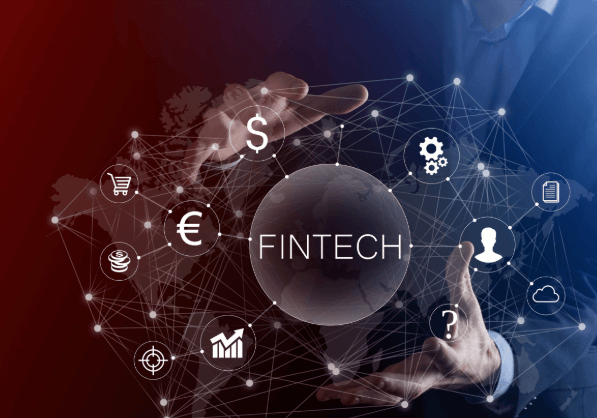
FinTech startups are reshaping traditional banking through modular, customer-centric platforms built on open APIs and cloud-native architectures. They map user journeys for rapid experimentation, underpinned by robust risk controls and privacy safeguards. Data-driven insights, secure identities, and scalable compliance tooling enable faster payments and embedded finance for both consumers and enterprises. As interoperability and clarity rise, incumbents face heightened competition and new benchmarks, leaving stakeholders considering the implications for cost, trust, and access to capital.
How FinTech Startups Reframe Everyday Banking
FinTech startups are reshaping everyday banking by deploying modular, customer-centric platforms that prioritize speed, transparency, and personalization.
The approach maps user journeys with composable services, enabling rapid experimentation and nuanced risk controls.
Growth hinges on clear privacy norms and robust data sovereignty, fostering trust while expanding choice.
Market signals indicate accelerated adoption, increased interoperability, and measurable improvements in financial inclusion and personal empowerment.
Key Technologies Driving Disruption in FinTech
Key technologies driving disruption in FinTech leverage a layered stack of capabilities—ranging from open banking APIs and cloud-native architectures to advanced analytics and secure digital identities—to enable composable, scalable, and compliant financial services. Data-driven insights fuel risk-aware growth, interoperability, and rapid experimentation, while governance ensures data privacy and cross border payments operate seamlessly, securely, and with prudent regulatory alignment for freedom-loving innovators.
Evaluating Best-Use Cases: Consumers vs. Businesses
Given evolving customer expectations and business pressures, the evaluation of best-use cases must weigh consumer-facing solutions—such as instant payments, digital wallets, and personalized financial insights—against enterprise-oriented patterns like embedded finance, B2B payments automation, and risk/compliance tooling.
The analysis emphasizes blockchain adoption and credit scoring as drivers of precision, scalability, and risk-aware decisioning for both segments, guiding strategic prioritization.
Challenges and Risks for Startups and What It Means for Users
Emerging fintech startups face a web of risks that can reverberate from product design to user trust, with regulatory uncertainty, cybersecurity threats, and funding volatility presenting the most acute near-term concerns.
The landscape underscores privacy drift and regulatory ambiguity as pervasive friction points, shaping product viability, user confidence, and capital access, while data-enabled models demand transparent governance, proactive risk controls, and scalable defenses.
See also: FinTech Startups and Disruption
Frequently Asked Questions
How Do Fintech Startups Sustain Long-Term Profitability After Rapid Growth?
Sustainable pricing and strong unit economics sustain profitability after rapid growth, enabling fintechs to reinvest in scalable platforms, optimize acquisition costs, and improve margins; data-driven forecasting guides disciplined expansion while maintaining strategic flexibility for freedom-loving stakeholders.
Which Regulations Most Commonly Impact Early-Stage Fintech Ventures?
Regulatory reporting and licensing requirements most commonly impact early-stage fintech ventures, shaping risk and capital agendas. The forward-looking view emphasizes scalable compliance—data-driven processes, adaptive licensing pathways, and proactive reporting frameworks to support freedom while satisfying supervisory expectations.
Can Traditional Banks Fully Partner With or Replace Incumbents?
Ironically, traditional banks cannot fully replace incumbents; traditional partnerships and incumbent collaboration are essential, yet transformative potential remains: collaboration accelerates data-driven scale while compliance and risk discipline shape the feasible, forward-looking path for fintechs and banks alike.
How Do Fintechs Protect Consumer Data Across Platforms and Devices?
They protect consumer data across platforms through robust data encryption and cross device privacy strategies, leveraging zero-trust architectures, continuous risk assessments, and privacy-by-design principles to enable secure, freedom-oriented digital financial experiences for users.
What Skilled Talent Shortages Most Hinder Fintech Scale and Innovation?
Talent gaps and skill shortages hinder fintech scale; the sector faces persistent shortages in AI/ML, cybersecurity, data engineering, regulatory product, and UX. Forecasts indicate robust demand for specialized talent, cross-disciplinary teams, and agile, distributed talent strategies.
Conclusion
FinTech startups are reshaping everyday banking by turning modular services into a seamless, data-driven ecosystem. The theory that openness accelerates trust holds: open APIs, cloud-native models, and composable tooling enable rapid experimentation with robust risk controls. For users, this translates to faster onboarding, personalized experiences, and clearer privacy safeguards. For incumbents, it signals a shift toward interoperable platforms and scalable compliance. The trajectory is forward-looking: more choices, better control, and continual improvement across finance.